NATURE RESERVES, TRIBAL POPULATION
- hrcharitimaa
- Aug 15, 2021
- 2 min read
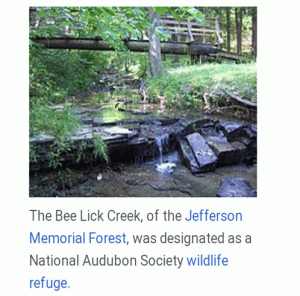
Nature Reserves
A nature reserve is a protected area for flora andfauna or geological features which are reserved and managed for conservation and the study and research.
In nature reserves, wildlife plants and animals are protected and kept undisturbed. This means restoring the old-time land management practices which help to make them wildlife-rich.
Example – Coppicing of woodland.
Nature reserves are managed by conservation teams. They protect, restore and make a mixture of habitats where wildlife can thrive.
The first modern nature reserve inworld was established by naturalist and explorer Charles Waterton around his estate in Walton Hall, West Yorkshire. It was established in 1821.
Tribal population and rights
The word ‘Tribe’ comes from the Latin word “Tribes” which means “one-third”.
India has the 2nd largest concentration of tribal population within the world, after Africa, and is known as a Melting pot of tribes and races.
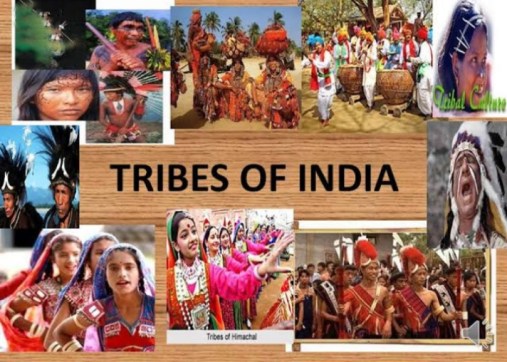
Characteristics of Indian tribes:-
Have a precise or definite geographical and social area
Lives in the Hilly or Forest area
They’re simple people with unique customs, traditions, and practices
Have a common dialect
Kinship is the instrument of social bonds among tribes.
No strong, complex, formal organization
Communitarian basis of landholding
Segmentary character
A definite psychological view towards enjoying life
Tribal struggles
After independence, tribal struggles may be classified into three parts.
1) Exploitation of outsiders.
2) Economic deprivations.
3) Isolated tendencies.
Problems faced by tribal people.
There are some problems which are faced by the tribal population:
Deforestation
Indebtedness, Poverty and Unemployment
Lack of Health care services
Lack of Educational services
Identity, Cultural Problems and diffusion
Concept of Private Property
In-Migration of other communities
Language Problem because of unwritten form
Problem of separatism
Role of tribal in conservation of forest
1) They live inside the forest with the least disturbance. That’s why they are not a disturbing agent to the forest.
2) They protect flora and fauna.
3) They don’t pollute the environment.
4) Tribal gives critical information of the presence of endemic plants inside forests.
Tribal people are very less in number. It is necessary to protect them and give them all rights.
Rights and concessions
1) Free grazing in open forest.
2) Removal of stone for agriculture.
3) Collection of head loads of dry wood for domestic use.
4) Right to use water.
5) Right to live in forest.
Tribal development activities
1) Social security and social insurance w.r.t scheduled tribes will be implemented.
2)Tribal welfare planning and training will be carried out.
3) Recognition of scheduled areas and giving special status.
4) Development of voluntary efforts on tribal welfare.
Comments